Your Muscles May Be One of Your Most Valuable Retirement Assets
PR Newswire
FREDERICKSBURG, Va., Sept. 14, 2026
Fitness & Finance co-founders explain why preserving muscle should be part of the retirement-planning conversation
FREDERICKSBURG, Va., Sept. 14, 2026 /PRNewswire/ -- When it comes to retirement planning, most people focus on how much to save and where to invest it. But another asset can have an enormous influence on how those retirement years are lived: muscle. Maintaining strength and muscle mass as we age can help support mobility, balance and independence—factors that can influence both quality of life and healthcare needs later in life. The good news is that it is never too late to start investing in physical strength.
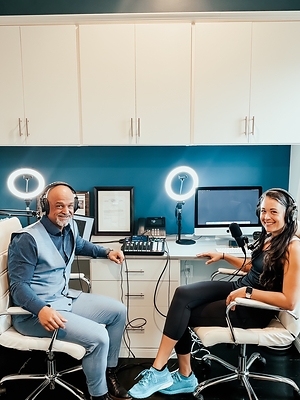
"We spend decades building a financial portfolio for retirement, but we should be building our physical portfolio at the same time," said Jennifer Scherer, co-founder of the Fitness & Finance Radio podcast, registered dietitian, medical exercise specialist, certified personal trainer, master-level Pilates instructor and founder of Fredericksburg Fitness Studio. "Muscle is one of the assets that helps protect our ability to move, remain independent and enjoy the life we worked so hard to build. Financial longevity means much less if our physical health doesn't allow us to enjoy it."
While people are focused on building their financial portfolio, they may be overlooking their physical one. Age-related losses in muscle and strength can affect mobility, balance and independence and are associated with greater risk of falls and hospitalization. Those health consequences can also create significant expenses during retirement.
According to the National Institutes of Health (NIH), starting at around 30, our bodies naturally begin losing muscle mass. We lose 3-5% of muscle mass every decade, and while that change may happen slowly, it adds up, leaving people with weakened strength. Sarcopenia, the gradual loss of muscle mass, increases the risks of falls, broken bones, and hospitalization. These are all things that are going to dip into the financial savings that someone has accumulated for retirement.
A study published in the Journal of Frailty & Aging reports that the hospitalization costs associated with sarcopenia are around $40 billion. They report that those with the condition are more likely to be hospitalized, with it costing each person an average of over $2,300 per year. Add to that the costs that people incur outside of the hospital due to broken bones, falls, and any hired help they need due to the lack of independence. It adds up to a financial burden that people may have been able to avoid if they had worked on maintaining muscle mass over the years.
The key is to start working on building and maintaining muscle mass, regardless of what age someone is at. It's never too late to take this issue on. According to the NIH, 30% of adults over the age of 70 have trouble walking, getting up from a chair, or climbing stairs. They report that such mobility issues not only lead to a loss of independence, but are also linked to higher rates of falls, chronic diseases, nursing home admissions, and mortality. They report that the big culprit is a loss of muscle mass, and that it can be slowed down by maintaining an active lifestyle.
Here are some tips to keep in mind to help slow the muscle-mass loss problem:
- Get active no matter what age you are. Know that you can always start slow and build it up as you get stronger. Being physically active is crucial to healthier aging.
- Ensure that your workout routine has you lifting weights and challenging yourself. It's important to get things in there like resistance exercises. Include progressive resistance training. Muscles need an appropriate challenge to adapt and remain strong. Resistance can come from weights, machines, bands or body weight, and the program should be appropriate for the individual's health, abilities and experience.
- Be sure to get the right foods in your diet in order to build and maintain muscle. Getting enough protein is a must in order to build and maintain muscle mass over the years. Know how much you need per day and pay attention to ensure you get it. Prioritize adequate nutrition, particularly protein. Protein provides the amino acids needed to support muscle maintenance and repair, but individual needs vary based on age, health status and activity level.
- If you have one day that you slip or one week where you falter on your new fitness plans, don't give up. Just start again. Too often, people throw in the towel and give up, rather than simply getting back at it. Working with someone, such as a coach or trainer, can help keep you on track.
- Build a professional team. A qualified fitness or healthcare professional can assess physical function and help create an appropriate plan for maintaining strength and mobility, while a qualified financial professional can help prepare for the financial realities of retirement. Both plans should support the same goal: maintaining independence and quality of life for as long as possible.
"One of the biggest expenses in retirement can be needing help with the things you once did independently," said Jeff Smith, co-founder of Fitness & Finance Radio, financial planning expert, personal trainer, master-level Pilates instructor and founder of The Retirement Smith. "We can build a strong financial plan, but preserving the physical ability to enjoy those years is equally important. Financial planning and fitness planning have more in common than people realize: both benefit from starting early, being consistent and thinking long-term."
Smith and Scherer co-founded Fitness & Finance Radio to explore an often-overlooked connection: the relationship between physical health and financial health throughout the lifespan. Drawing on Scherer's expertise in nutrition, medical exercise and fitness and Smith and Scherer are a married couple who co-founded the Fitness & Finance Radio podcast, where they come together to share their fields of expertise. The information focuses on offering a mix of nutrition, healthy lifestyle, and financial retirement planning strategies. Listeners can tune in to hear the duo discuss the issues and gain advice and insight that may help them now and in their retirement years. The Fitness & Finance Radio podcast is available for free on YouTube. Recent episode topics cover credibility, stress, funding adult children, saving money and losing weight on vacation, obesity and preventative care, and more. To get more information and listen, visit the site at: https://www.youtube.com/@fitnessfinanceradio?app=desktop
About Fitness & Finance Radio
Fitness & Finance Radio is a podcast produced by the married couple Jeff Smith and Jennifer Scherer. Smith is a financial planning expert and founder of The Retirement Smith, located in Fredericksburg, Va. Scherer is a registered dietitian, fitness expert, and founder of Fredericksburg Fitness Studio. To get more information and listen to the podcast, visit the site at: https://www.youtube.com/@fitnessfinanceradio?app=desktop or https://fitnessfinancepro.com/index.html
Sources:
National Institutes of Health. Slowing Sarcopenia. April 2025. https://newsinhealth.nih.gov/2025/04/slowing-sarcopenia
Journal of Frailty & Aging. Economic Impact of Hospitalizations in US Adults with Sarcopenia. 2019. https://pubmed.ncbi.nlm.nih.gov/30997923/
National Institutes of Health. How can strength training build healthier bodies as we age? June 2022. https://www.nia.nih.gov/news/how-can-strength-training-build-healthier-bodies-we-age
 View original content to download multimedia:https://www.prnewswire.com/news-releases/your-muscles-may-be-one-of-your-most-valuable-retirement-assets-302877812.html
SOURCE Fitness & Finance Radio podcast