
Ice Dams Behind Spike in Winter Roof Leaks Across Northern States
United States - January 16, 2026 / Ice Dam USA /
MINNEAPOLIS, MN
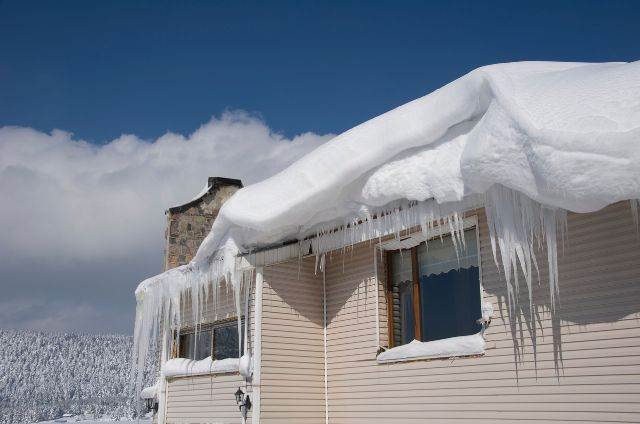
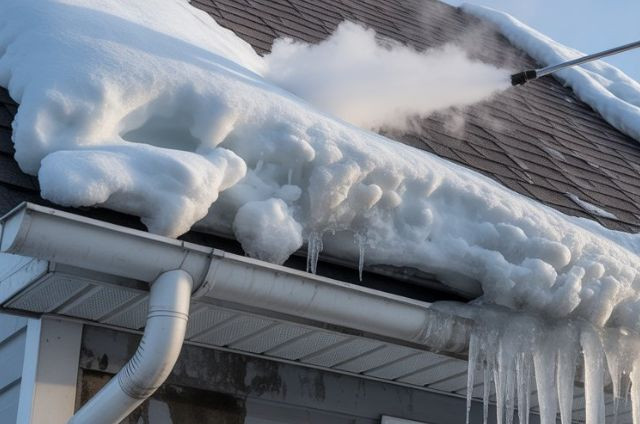
As successive snowstorms continue sweeping across the northern United States, housing and weather analysts are reporting a notable increase in mid-winter roof leaks during the 2026 winter season. The combination of heavy snowpack and frequent freeze-thaw cycles is creating ideal conditions for ice dams—ridges of refrozen ice that prevent proper drainage and force meltwater back beneath roofing materials.
According to the National Weather Service, ice dams are most common in northern climates when heat escaping from attics melts snow on upper roof sections, allowing water to flow downward before refreezing along colder eaves. That frozen barrier traps additional runoff, forcing water beneath shingles and into roof assemblies where it can spread through insulation and wall cavities long before visible staining appears.
This winter’s weather pattern—marked by back-to-back storms impacting the Upper Midwest, Great Lakes region, and New England—has intensified these risks. In many cities, daytime temperatures briefly rise above freezing before dropping sharply overnight, accelerating the melt-and-refreeze cycle responsible for ice-dam formation.

Homeowners from the Pacific Northwest through the Great Lakes and into the Northeast have reported new roof leaks following recent storm systems, often appearing far from roof edges. Building experts note that once water enters attic spaces, it can migrate laterally along framing and insulation, making the source of a leak difficult to trace without professional inspection.
A recently published Guide to Managing Ice-Dam Roof Leaks outlines early warning signs homeowners should monitor during winter storms and explains short-term mitigation steps that may help limit damage until conditions allow for safe repairs.
Experts emphasize that mid-winter roof leaks often emerge during the coldest weeks of the season—precisely when repair options are limited and moisture has fewer pathways to escape. With additional storms forecast across much of the northern tier, homeowners are encouraged to monitor ceilings closely, watch for subtle discoloration or damp spots, and remain alert as snow continues to accumulate.
Why It Matters
Ice-dam-related roof leaks remain one of the most disruptive winter hazards for homeowners in northern states, frequently appearing during prolonged cold snaps when roofs are under maximum stress. As winter intensifies, understanding how ice dams form—and recognizing the earliest signs of water intrusion—can play a critical role in preventing structural damage and costly interior repairs.

Contact Information:
Ice Dam USA
, MN
United States
Shawn Thompson
(855) 468-4233
https://www.icedamusa.com/