
Understanding System Investment Timing and Property Specific Requirements
Nashville, United States - January 16, 2026 / Goodin Lawncare /
Property owners across middle Tennessee eventually face the question of whether installing an irrigation system makes sense for their landscape. The decision involves evaluating current watering practices, property size and layout, landscape complexity, water costs, and long term maintenance expectations. Some homeowners install systems when building new homes, others after years of manual watering, and some when renovating landscapes entirely.
The choice isn't simply about convenience. Irrigation systems affect turf health, plant survival rates, water consumption patterns, and overall landscape maintenance requirements. Poor decisions lead to overwatered zones, underwatered areas, wasted resources, and systems that don't match property needs. Professional guidance on irrigation installation benefits helps homeowners understand what effective systems accomplish and what factors drive successful outcomes.
The Real Costs of Inadequate Water Management
Many Nashville area properties struggle with inconsistent watering patterns. Homeowners drag hoses across lawns, miss zones entirely during busy weeks, and overwater convenient areas while neglecting distant beds. The results show up as brown patches during summer stress, declining plant health in landscape beds, and increased weed pressure in inconsistently watered turf.
Manual watering creates other problems beyond inconsistency. Running hoses for hours wastes significant water through evaporation and overspray. Homeowners rarely measure application rates, leading to either inadequate moisture that stresses roots or excessive water that promotes shallow root systems and fungal disease. Time spent managing hoses and sprinklers adds up across entire growing seasons.
Properties with existing irrigation systems face different but equally significant issues when those systems were poorly designed or installed. Mismatched sprinkler head types create dry spots and overwatered zones in the same lawn area. Inadequate zone separation means sun exposed slopes get the same watering duration as shaded areas that stay moist naturally. Controller programming that doesn't adjust for seasonal needs wastes water and money while failing to meet actual landscape requirements.
The decision to install or upgrade irrigation infrastructure involves evaluating these ongoing costs against system investment. Homeowners need realistic information about what properly designed systems accomplish, what they cost to operate, and how they integrate with broader landscape management approaches. Without this context, decisions often focus solely on installation expense without considering long term value or operational efficiency.
How System Design Affects Landscape Performance
Effective irrigation starts with understanding property specific water requirements. Turf areas need different coverage patterns than landscape beds. Slopes require slower application rates to prevent runoff. Shaded zones need less frequent watering than full sun exposure. Plant material varies in water needs, with established trees requiring deep infrequent watering while new plantings need consistent moisture.
Irrigation installation planning accounts for these variables through proper zone design. Separating turf from beds allows independent scheduling. Grouping plants by water needs prevents overwatering drought tolerant species while underwatering moisture loving varieties. Matching sprinkler head types to coverage areas ensures uniform distribution without waste.
Soil conditions throughout middle Tennessee significantly impact system design requirements. Clay soils common in the region absorb water slowly, requiring cycle and soak programming that applies water in shorter intervals with breaks between cycles. Sandy soils drain quickly and need more frequent shorter applications. Understanding soil characteristics on specific properties influences both zone design and controller programming.
System capacity matters for properties with multiple zones. Inadequate water pressure or flow rates limit how many zones can run simultaneously. Poorly planned systems that exceed capacity produce weak coverage and uneven distribution. Professional irrigation maintenance becomes more challenging when systems operate at or beyond design limits, leading to ongoing reliability issues.
What Separates Effective Installation from Problem Systems
The approach Goodin Lawncare takes with irrigation projects emphasizes accurate assessment before installation begins. Understanding property layout, existing water supply capacity, soil characteristics, and landscape composition prevents the common mistakes that plague poorly planned systems. Design decisions reflect actual site conditions rather than generic approaches that ignore property specific variables.
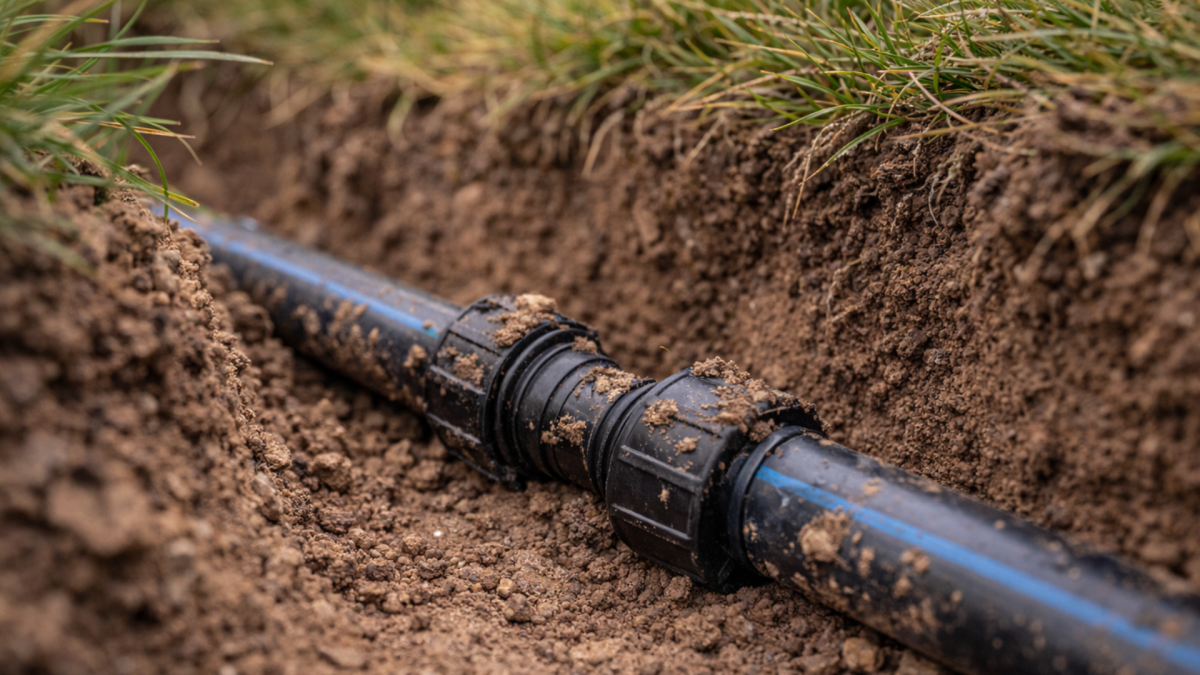
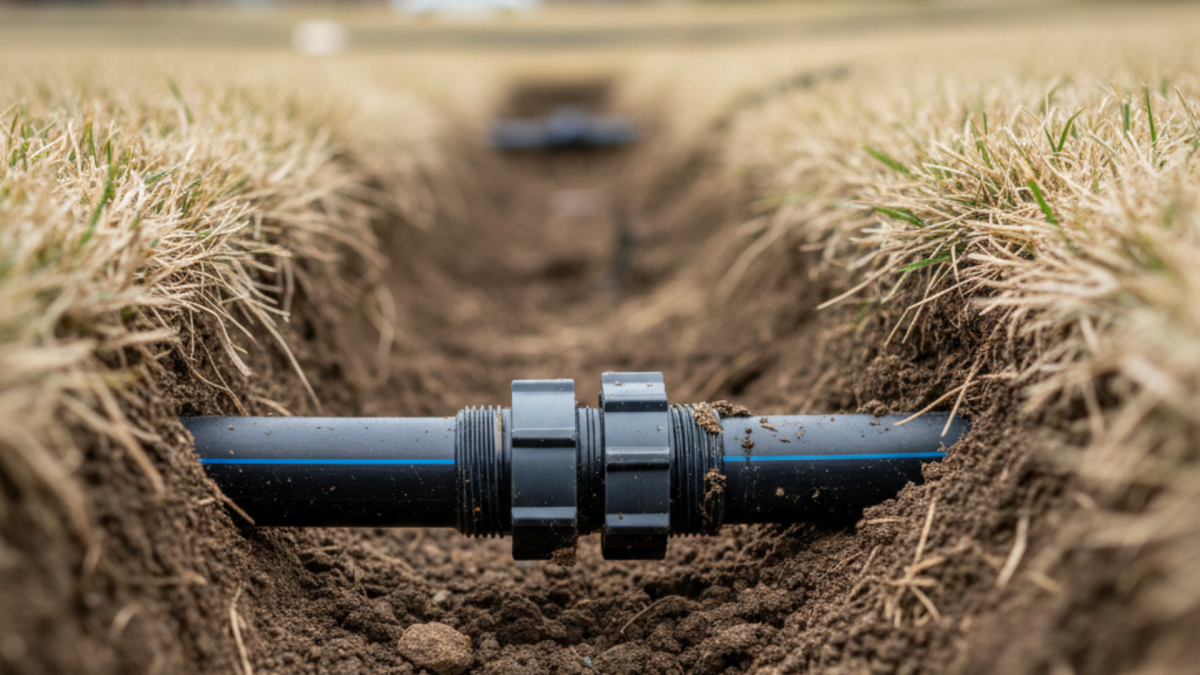
Installation quality directly affects long term system performance and reliability. Proper depth trenching protects lines from freeze damage and mechanical stress. Correct valve placement allows maintenance access without landscape disruption. Head spacing that follows manufacturer specifications ensures coverage meets design intent. Backflow preventer installation that complies with local codes protects water supply integrity.
Controller selection and programming require understanding both system capabilities and property needs. Modern controllers offer weather based adjustments, soil moisture integration, and zone specific scheduling that older timer based systems cannot provide. Programming that accounts for seasonal changes, plant maturity, and microclimate variations produces better results than static schedules that ignore changing conditions.
The relationship between irrigation and other landscape services matters for overall property performance. Lawn care programs work more effectively when consistent moisture supports nutrient uptake and reduces stress. Landscape bed maintenance becomes more manageable when plants receive appropriate water levels. Sod installation success rates improve dramatically with properly designed irrigation support.
Property Factors That Influence System Requirements
Properties throughout Nashville's diverse neighborhoods present unique challenges for irrigation design. Lot sizes range from compact urban parcels to expansive suburban estates. Topography varies from flat sites to significant slopes requiring pressure regulation. Existing landscaping complexity spans simple turf areas to elaborate plantings with varied water needs.
Water supply characteristics affect system possibilities. Municipal water pressure and flow rates determine zone capacity. Well systems require different design considerations than city water connections. Homes with booster pumps face different limitations than properties with standard pressure. Accurate assessment of available water resources prevents systems that cannot function as designed.
Landscape goals influence appropriate system complexity. Properties focused on low maintenance turf might need simpler systems than elaborate gardens with diverse plant material. Homeowners planning future landscape additions benefit from systems designed with expansion capacity. Understanding intended property use helps match irrigation investment to actual requirements rather than over designing or under serving real needs.
Building Relationships Through Reliable Service Delivery
Communication throughout irrigation projects keeps homeowners informed about progress, design decisions, and operational expectations. Explaining zone layouts helps property owners understand coverage patterns and programming logic. Demonstrating controller operation ensures homeowners can make seasonal adjustments independently. Providing realistic maintenance expectations prevents surprises about ongoing service requirements.
Community presence throughout the Nashville area means familiarity with local soil conditions, typical property layouts, and common installation challenges. Working across Brentwood, Franklin, and surrounding areas builds knowledge about regional factors that affect system performance. This experience informs better design decisions and helps anticipate issues before they affect installation outcomes. The trusted irrigation service provider understands how middle Tennessee conditions influence long term system reliability.
Ongoing support after installation matters as much as initial system quality. Seasonal maintenance keeps systems operating efficiently. Addressing minor issues before they escalate prevents costly repairs. Adjusting programming as landscapes mature ensures systems continue meeting changing needs. Long term service relationships produce better outcomes than transactional installation without follow through.
Avoiding Problems Through Informed Decisions
The irrigation installation choices property owners make today affect landscape health, water consumption, and maintenance requirements for years. Systems designed without adequate site assessment create ongoing frustration and waste. Installation that cuts corners produces reliability issues that compound over time. Poor controller programming defeats even well designed systems, delivering inadequate or excessive water regardless of infrastructure quality.
Understanding what effective irrigation accomplishes, what design factors matter for specific properties, and how systems integrate with broader landscape management helps homeowners make decisions that serve long term goals. Goodin Lawncare helps Nashville area property owners evaluate irrigation needs, understand design options, and implement systems that support healthy landscapes without waste or ongoing problems. Contact 629-426-0144 to discuss how irrigation installation decisions affect your specific property and landscape goals.

Contact Information:
Goodin Lawncare
508 Napoleon Ave
Nashville, TN 37211
United States
Contact Goodin Lawncare
(629) 426-0144
http://www.goodinlawncare.com


Original Source: https://goodinlawncare.com/media-room/#/media-room