Coral Gables, Florida , Dec. 26, 2025 (GLOBE NEWSWIRE) -- A recent legal analysis highlights a critical limitation in traditional estate planning strategies, revealing that living trusts alone often fail to prevent creditor access when confronted with litigation, civil judgments, or aggressive collection actions. The findings underscore the growing importance of supplementing domestic planning tools with offshore asset protection strategies to achieve meaningful and enforceable safeguards for personal and business wealth.

Legal analysis reveals that standard living trusts often fail to block creditor access without supplemental offshore asset protection strategies in place.
Living trusts are widely used for probate avoidance, privacy, and streamlined estate administration. However, legal analysis indicates that these trusts generally provide limited protection against creditors, lawsuits, and future claims. Because assets placed in a revocable living trust typically remain under the control of the grantor, they are often treated as reachable property in the event of legal disputes. This structural weakness has prompted increased scrutiny among professionals, entrepreneurs, and business owners seeking stronger asset protection planning solutions.
The analysis emphasizes that effective protection requires more than estate planning alone. Offshore asset protection trusts, when properly structured, introduce jurisdictional separation and independent fiduciary oversight that domestic arrangements often lack. By placing assets beyond the immediate reach of domestic courts, offshore trusts create legal barriers that discourage frivolous lawsuits, complicate enforcement of civil judgments, and provide leverage in settlement negotiations. These advantages are particularly relevant for individuals with heightened exposure to professional liability, contractual disputes, or post-transaction claims.
In contrast to living trusts, offshore structures are typically established as irrevocable trusts, supported by independent trustees and protective provisions designed to withstand creditor challenges. The analysis outlines how foreign trust jurisdictions apply legal standards that prioritize trust integrity, strict evidentiary requirements, and defined statutes of limitations. When combined with compliant documentation and lawful timing, these features strengthen trust protections and reduce vulnerability to claims alleging fraudulent transfer or improper conveyance.
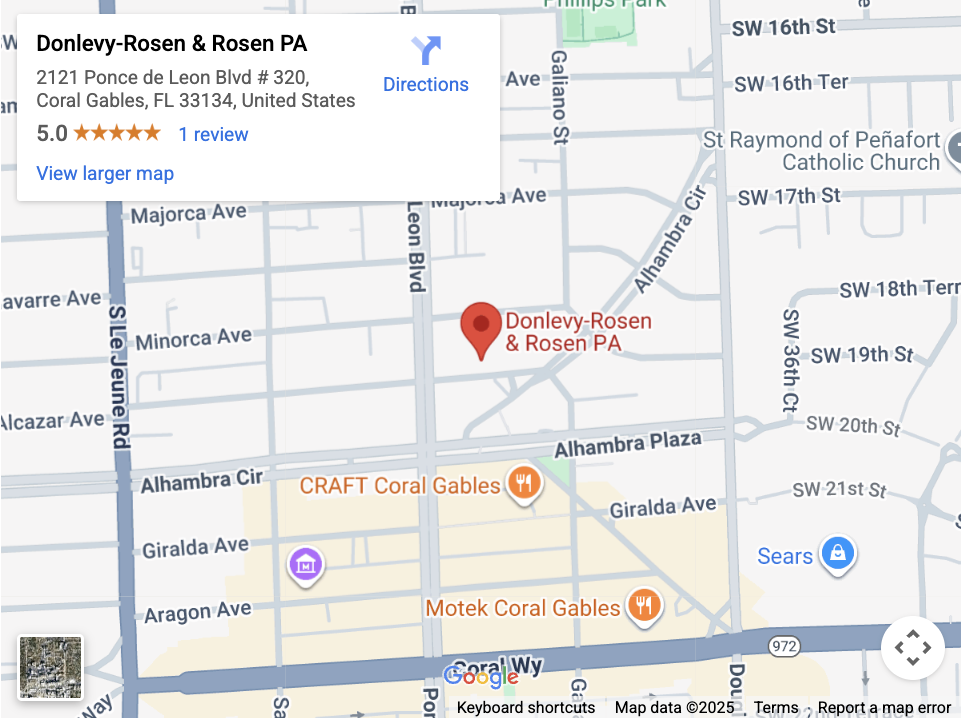
Donlevy-Rosen & Rosen, P.A. on Google Maps
A critical distinction between domestic planning tools and offshore solutions lies in the application of foreign jurisdictions with independently developed asset protection laws and established principles of trust law. These jurisdictions often impose higher evidentiary burdens on creditors and enforce shorter statute of limitations, creating meaningful barriers to recovery efforts. When trust assets are governed by a well-drafted trust agreement and administered under a legally separate system, enforcement efforts originating from domestic courts face significant procedural and substantive hurdles.
Effective offshore strategies frequently incorporate layered legal structures, such as a limited liability company or foreign corporations, to further distance assets from personal ownership. These entities may hold investments, operating interests, or real property while the trust retains ultimate control. This structural separation strengthens wealth preservation objectives by limiting direct exposure and reducing the likelihood that assets can be attached through domestic proceedings.
Administration also plays a pivotal role in maintaining enforceability. The appointment of a qualified foreign trustee, combined with the use of compliant offshore bank accounts and properly maintained foreign accounts, supports the independence required for a sustainable offshore plan. These elements reinforce jurisdictional integrity while ensuring that trust administration remains consistent with governing law and fiduciary standards.
Together, these components demonstrate how offshore planning extends beyond simple trust formation. By coordinating jurisdiction selection, entity structuring, and fiduciary oversight, offshore asset protection establishes a durable framework designed to withstand legal challenges while supporting long-term asset security and continuity.
The report also notes that domestic alternatives such as domestic asset protection trusts may offer limited benefits depending on jurisdictional rules and enforcement practices. While these tools can form part of a layered plan, reliance on domestic-only solutions may leave assets exposed to forum shopping and unfavorable court interpretations. As a result, comprehensive planning increasingly incorporates multi-jurisdictional strategies that integrate offshore trusts, business entities, and financial structuring to create resilient legal separation.
Beyond litigation defense, offshore asset protection planning supports broader wealth management and estate planning objectives. Offshore trusts can be aligned with succession planning, business exit strategies, and long-term financial continuity while maintaining compliance with applicable tax laws and reporting requirements. Proper structuring also addresses transparency concerns, recordkeeping standards, and fiduciary oversight, reinforcing the legitimacy of the planning process.
As legal risks and financial complexity continue to rise, the analysis reinforces a clear conclusion: living trusts alone are insufficient as creditor shields. Without offshore legal supplements, assets held in revocable trusts remain exposed to claims that can undermine years of financial planning. The findings highlight the importance of proactive, legally sound asset protection strategies that go beyond traditional estate planning frameworks.
Donlevy-Rosen & Rosen, P.A., based in Coral Gables, Florida, continues to provide comprehensive legal guidance in offshore asset protection planning, business and entity structuring, and real estate asset protection. The firm’s work reflects an emphasis on lawful planning, jurisdictional awareness, and strategic preparation designed to help clients preserve assets and manage long-term legal risk.
About Donlevy-Rosen & Rosen, P.A.:
Donlevy-Rosen & Rosen, P.A. is a Coral Gables, Florida–based law firm focusing on offshore asset protection planning, business and entity asset protection, and real estate asset protection. The firm provides comprehensive legal solutions designed to help professionals, business owners, and investors safeguard assets, reduce legal exposure, and preserve long-term financial security. More information is available at https://protectyou.com/ or by calling (305) 447-0061.

New findings highlight the limitations of living trusts, showing offshore asset protection measures are often required to shield assets from creditor claims.